
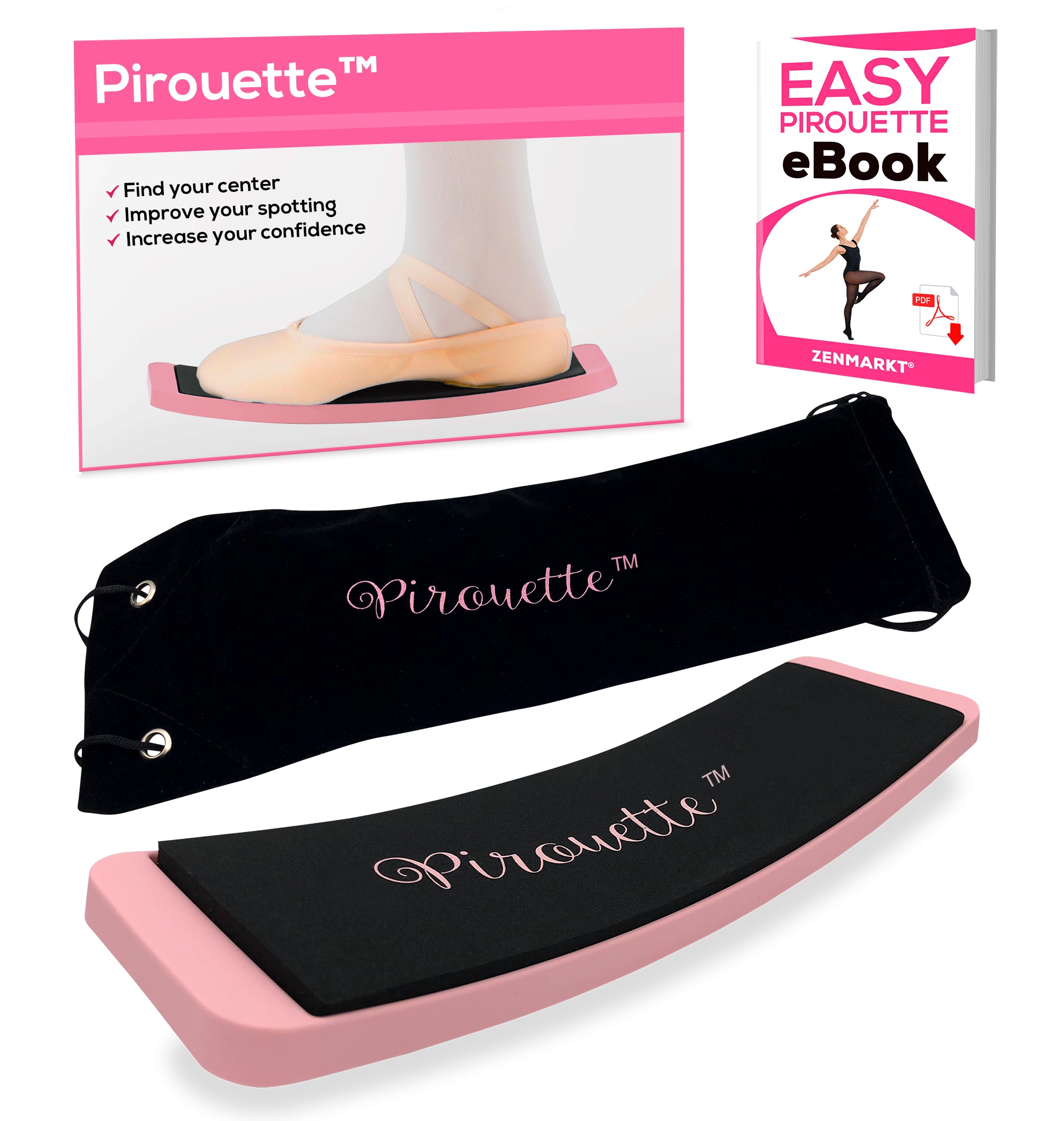
Pirouette® Turning Board for Dancers (with Carry Bag)
$24.95 $34.96
More turns, more confidence, practiced at home.
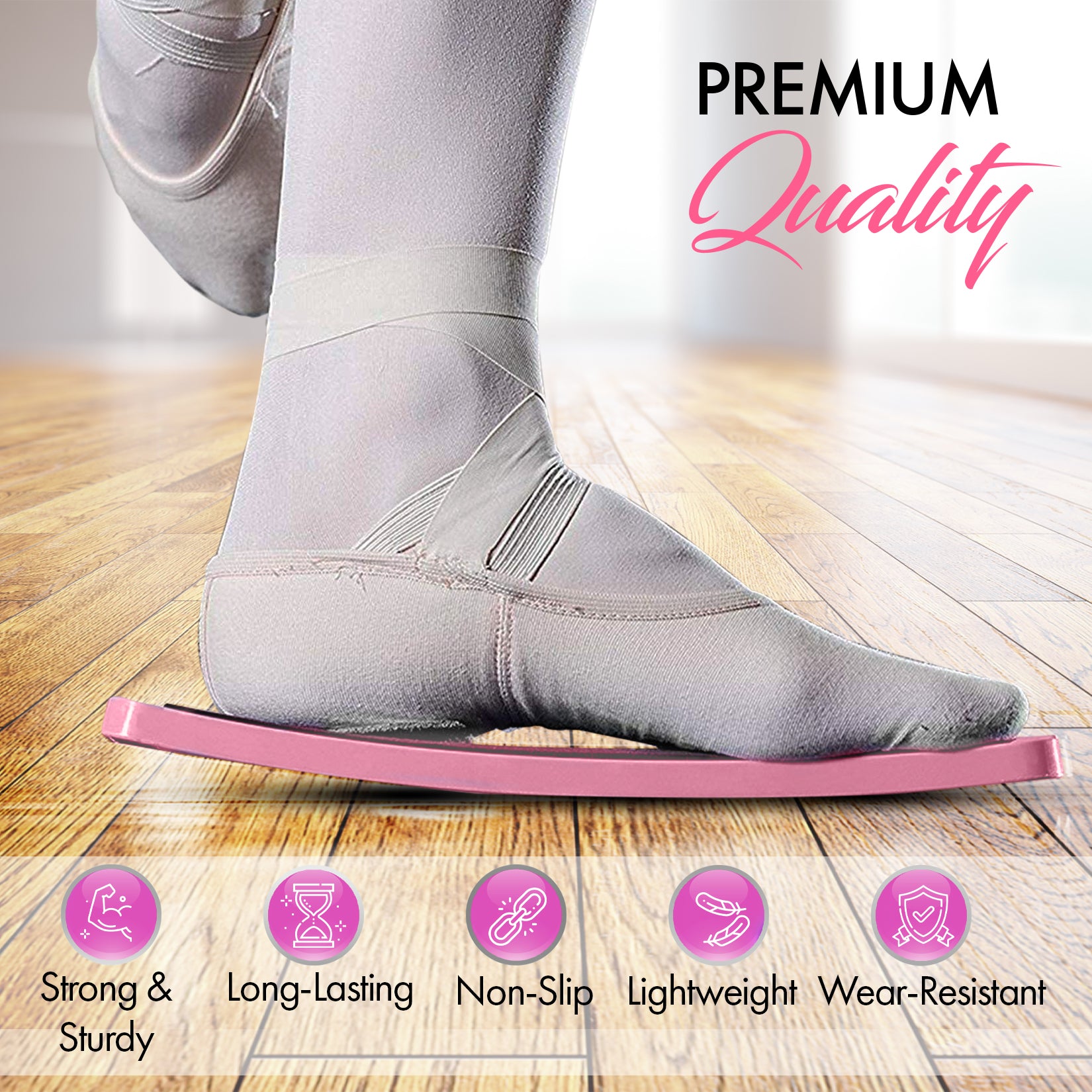
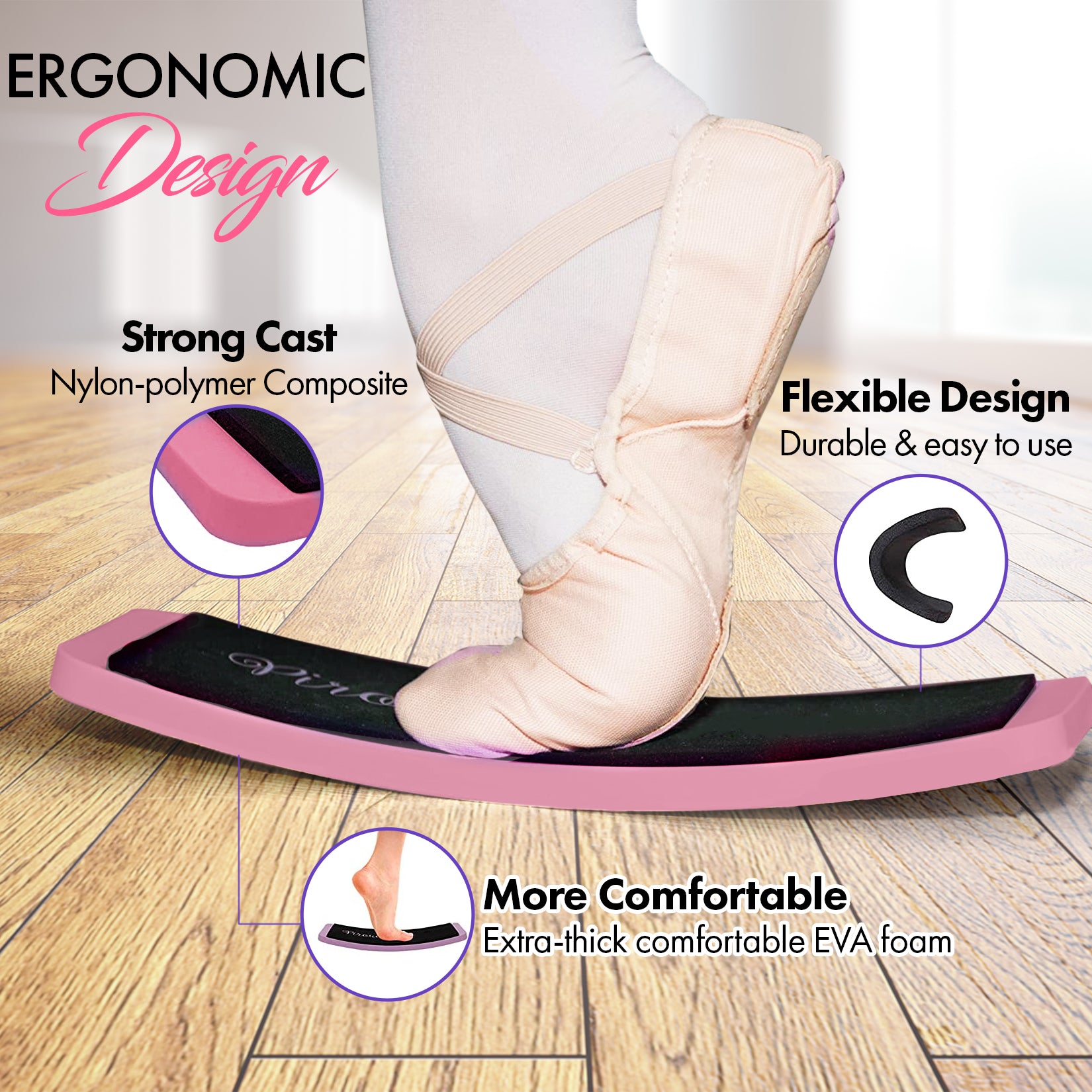
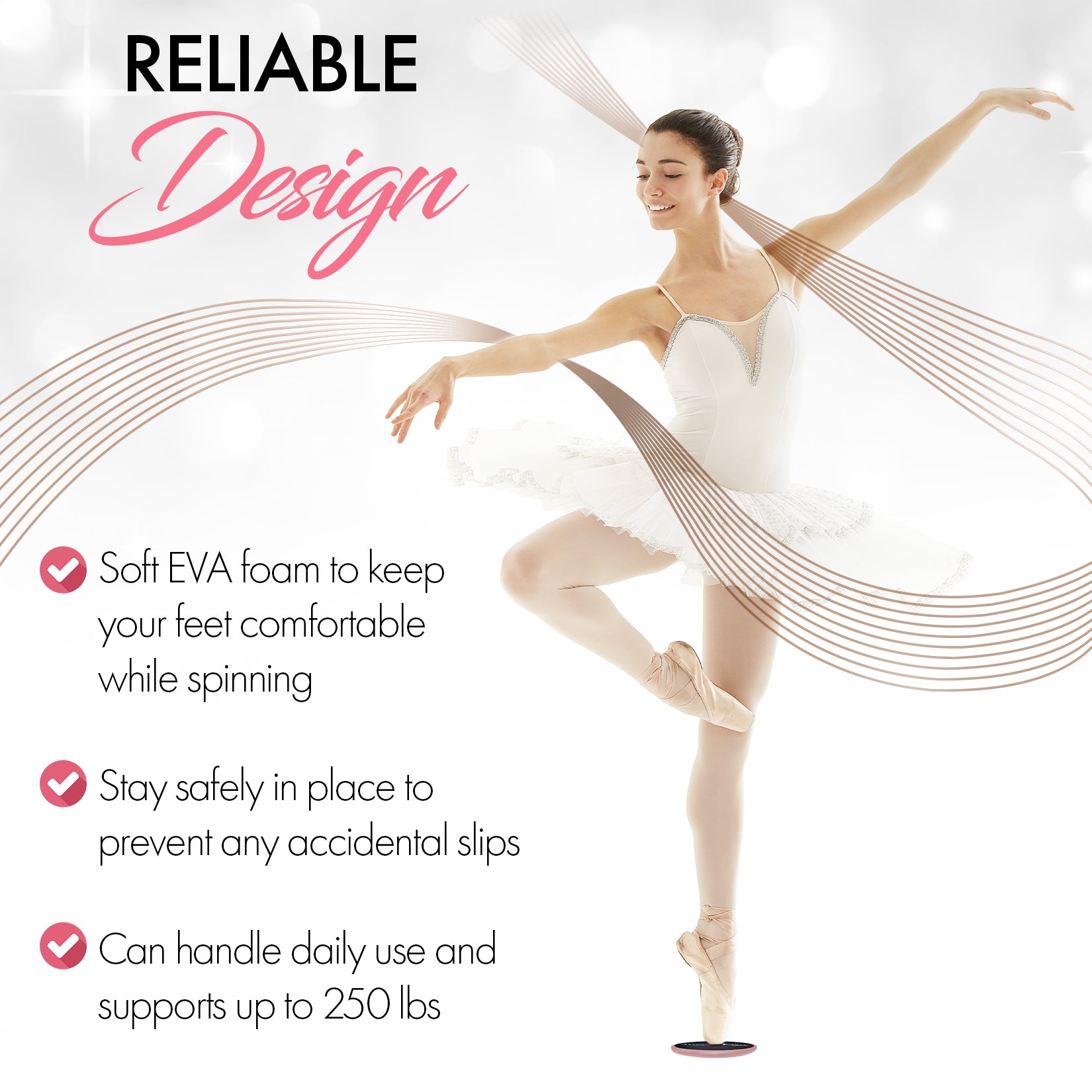
Almost every dancer hits the point where the single pirouette is solid but the double just won't come. The Pirouette® turning board gives her a low-friction surface to feel a full rotation, find her center and practice spotting between classes, right at home instead of only at the studio.
Why dancers (and their parents) love it
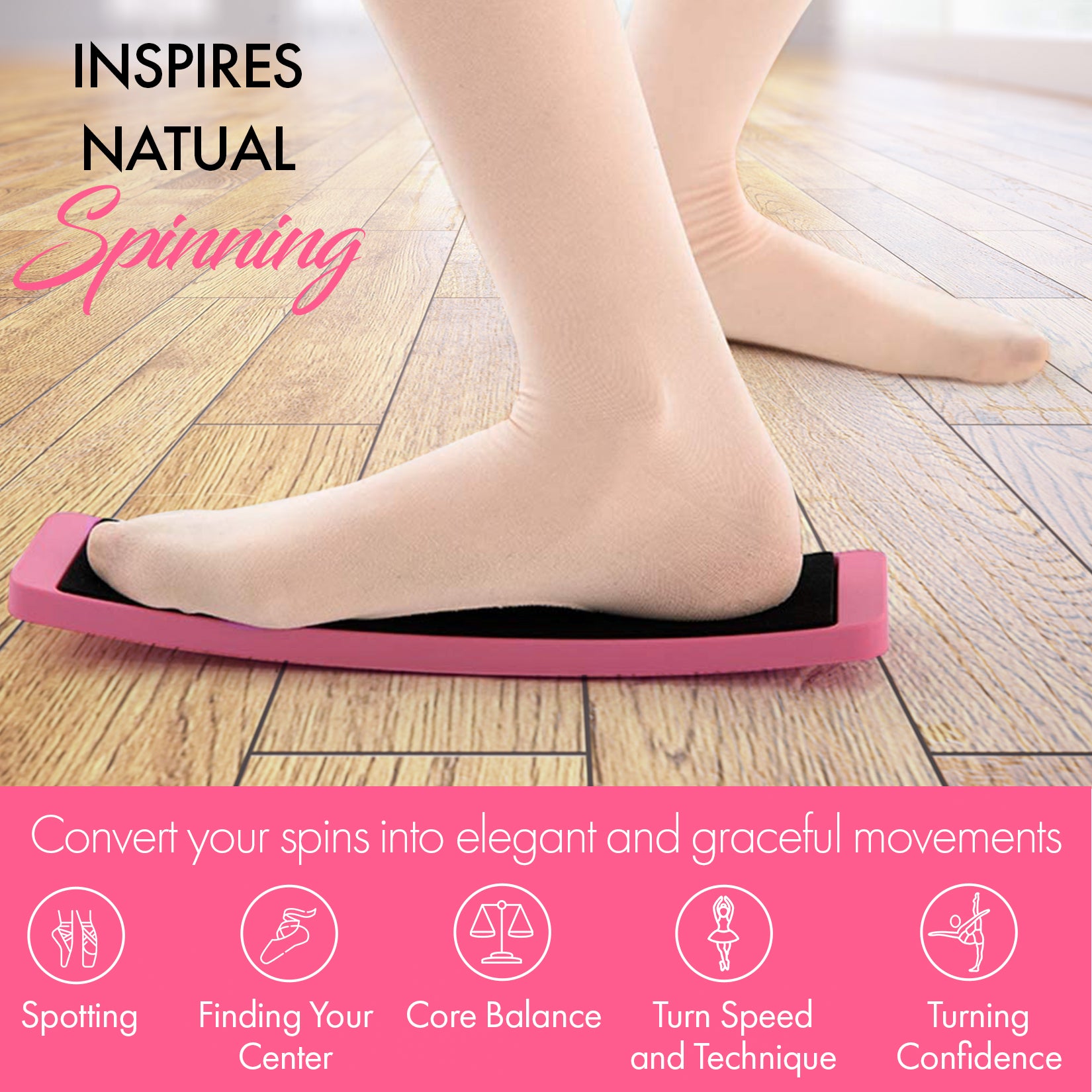
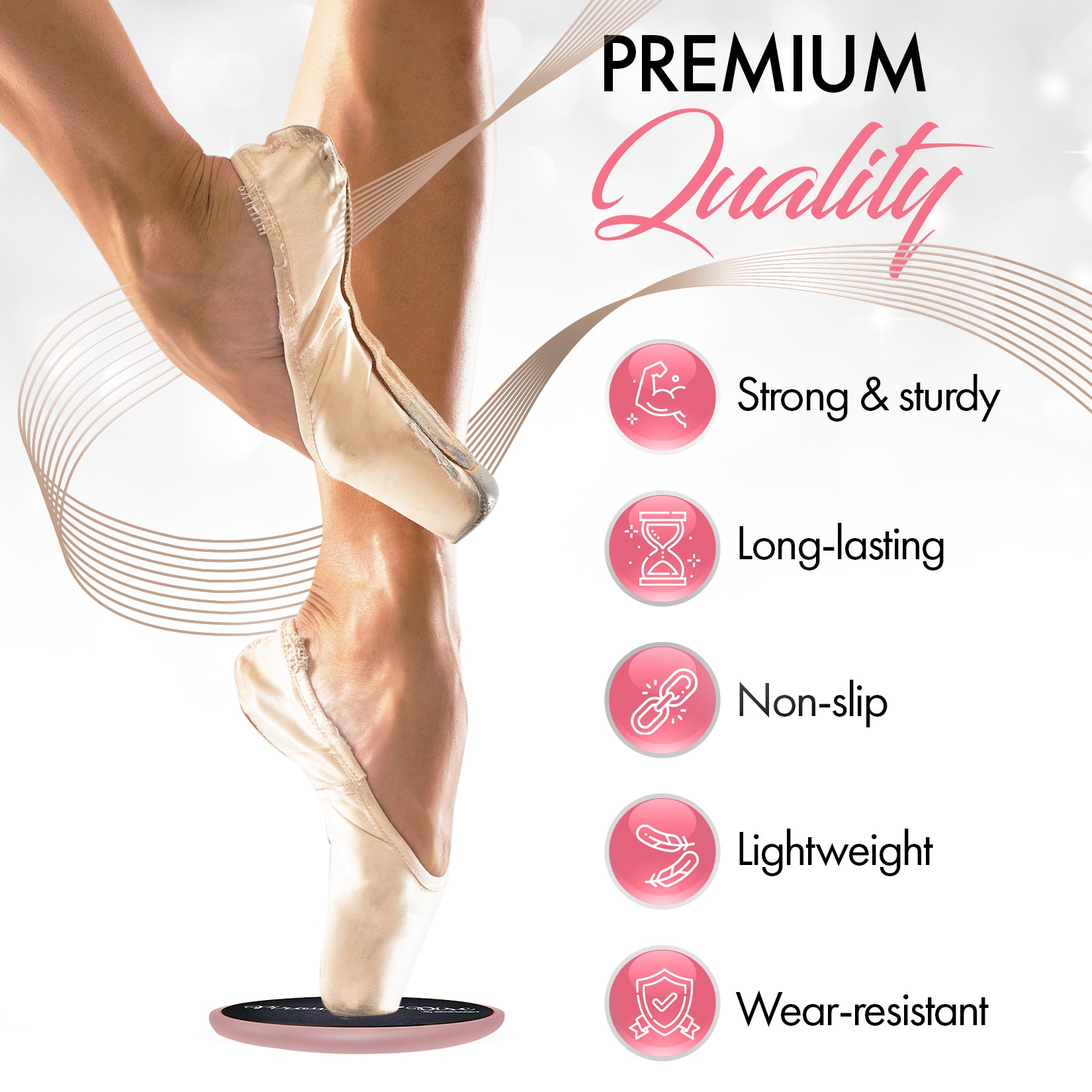
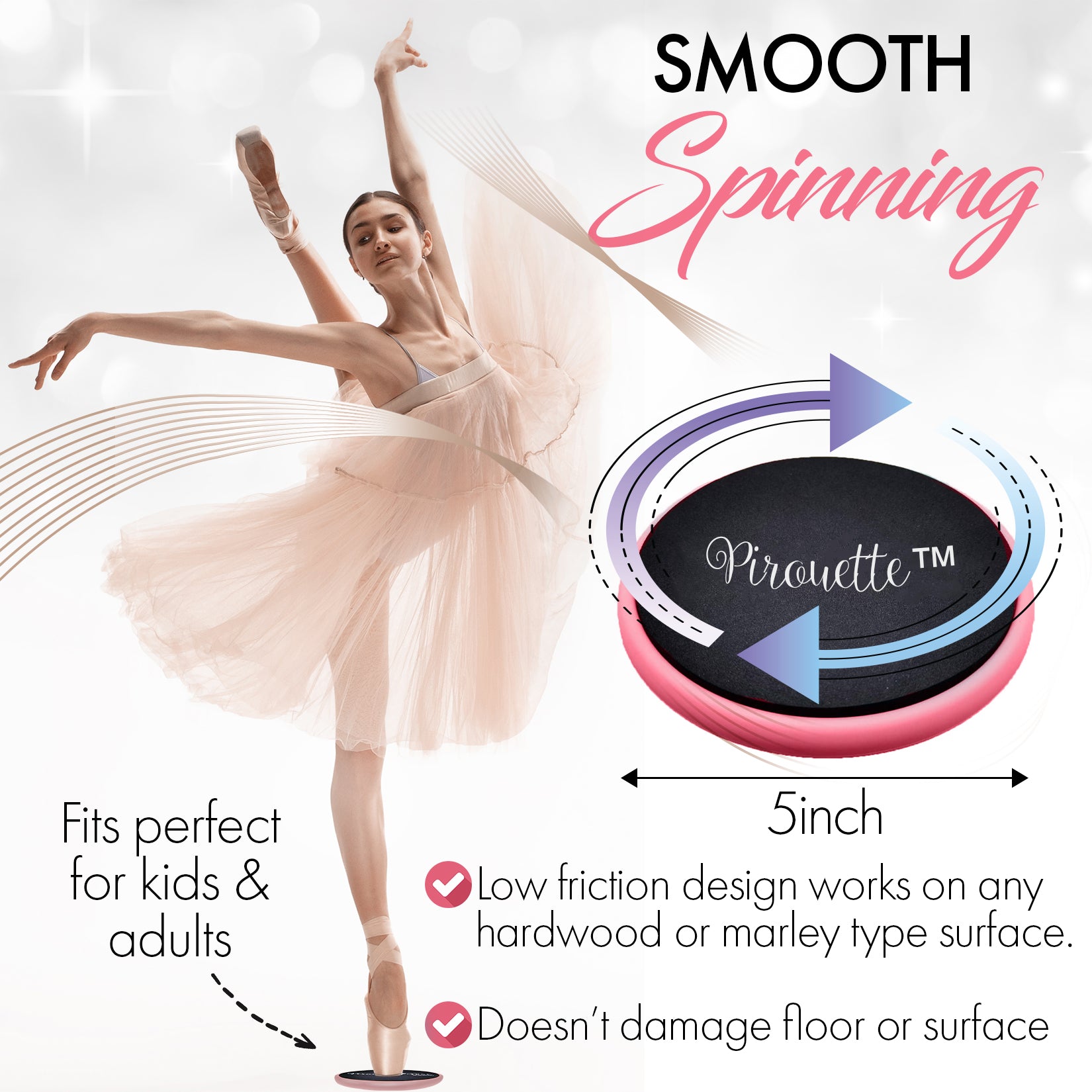
- Feel the whole turn. The board takes away floor friction, so a dancer can feel what a balanced, pulled-up rotation is like, then bring that feeling back to the studio floor.
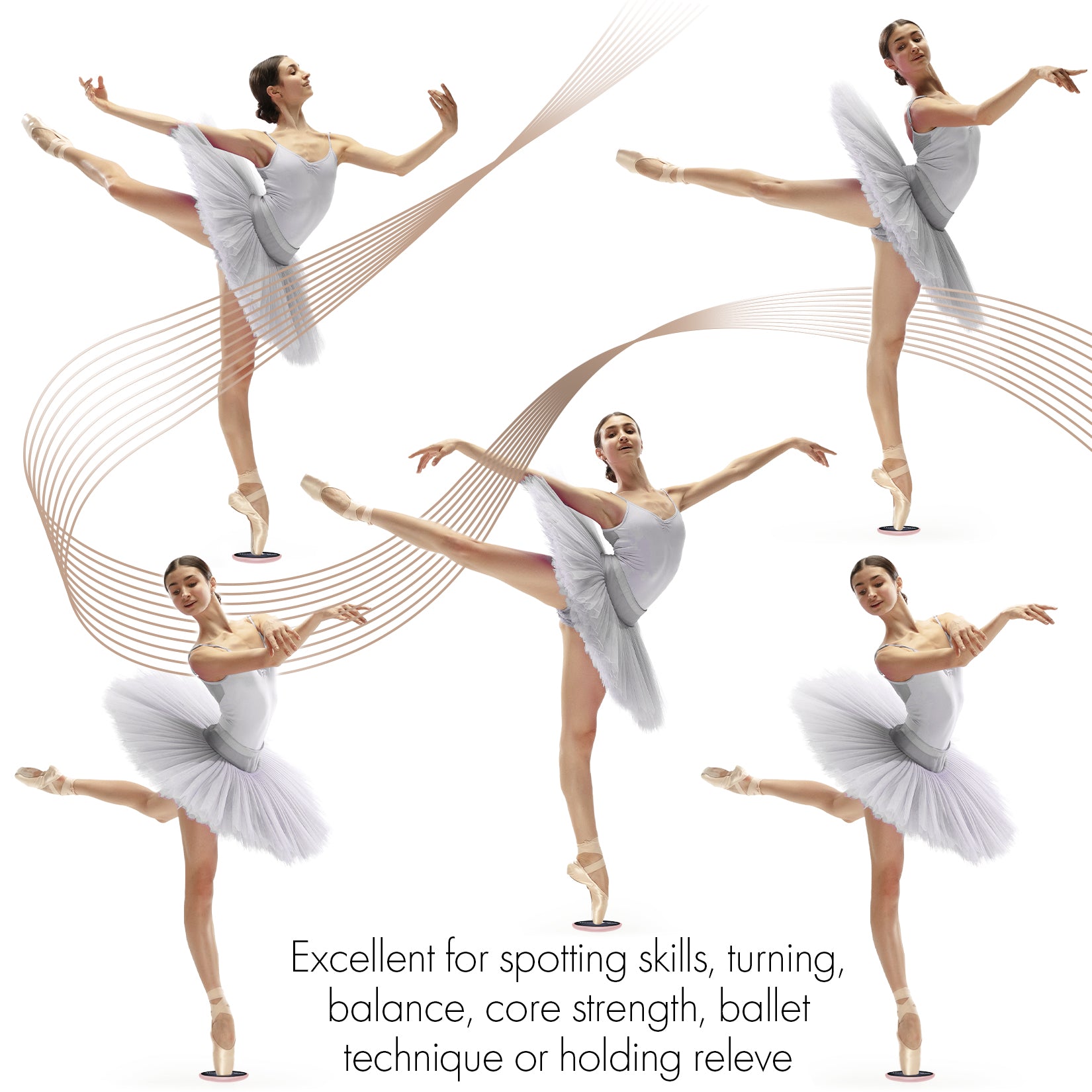
- Practice spotting on repeat. Short, focused reps at home build the quick head snap that multiple turns depend on.
- Honest balance feedback. If her weight is off, the board shows it right away, so she learns to stay over her supporting leg and use her core.
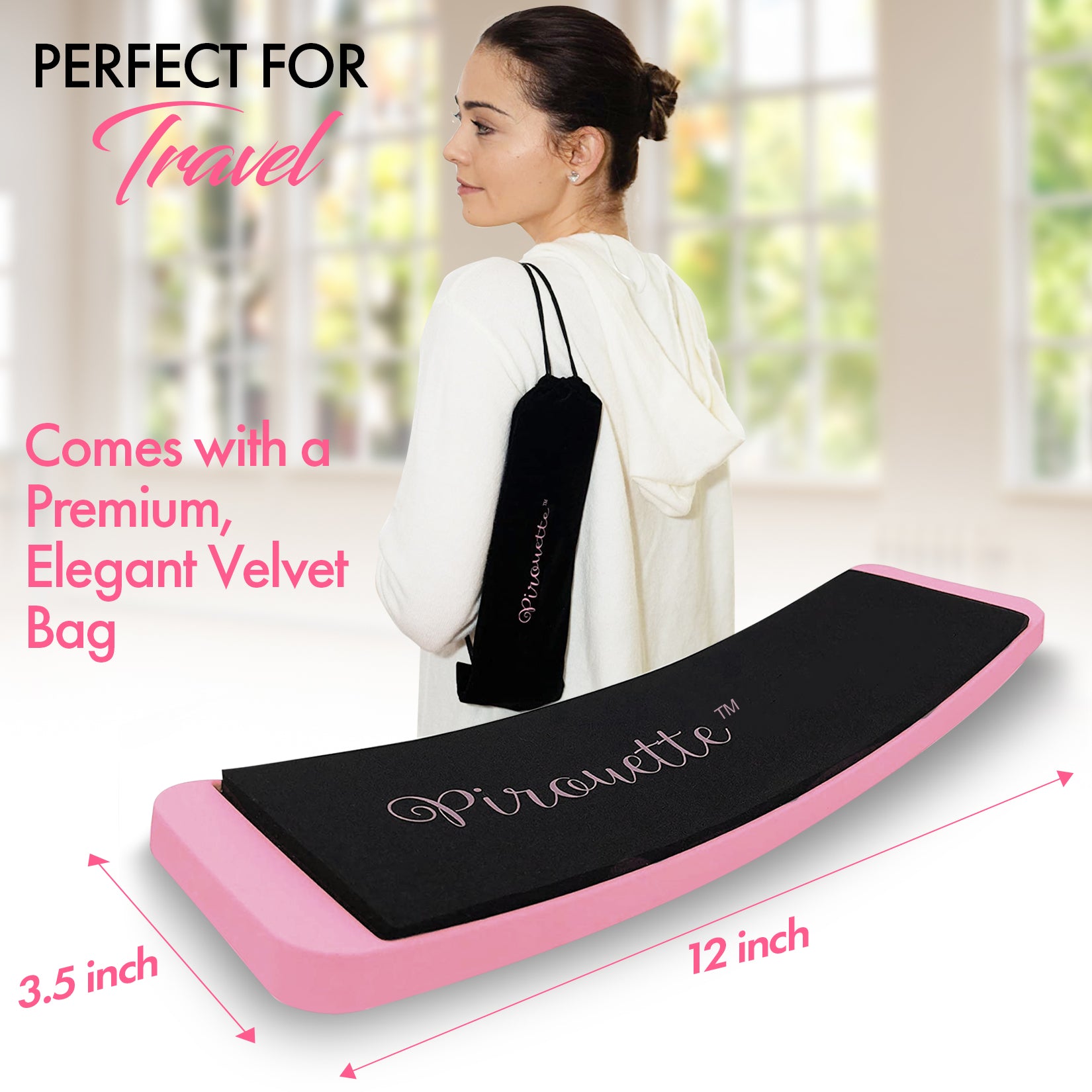
- Ready to go anywhere. Lightweight, with a soft velvet carry bag for class, competitions and trips to Grandma's.
- Step-by-step help included. Comes with the EasyPirouette Guide eBook. The card in the box shows how to access it.
"My other daughter is in ballet and they both use it." Verified Zenmarkt customer
Who it's for
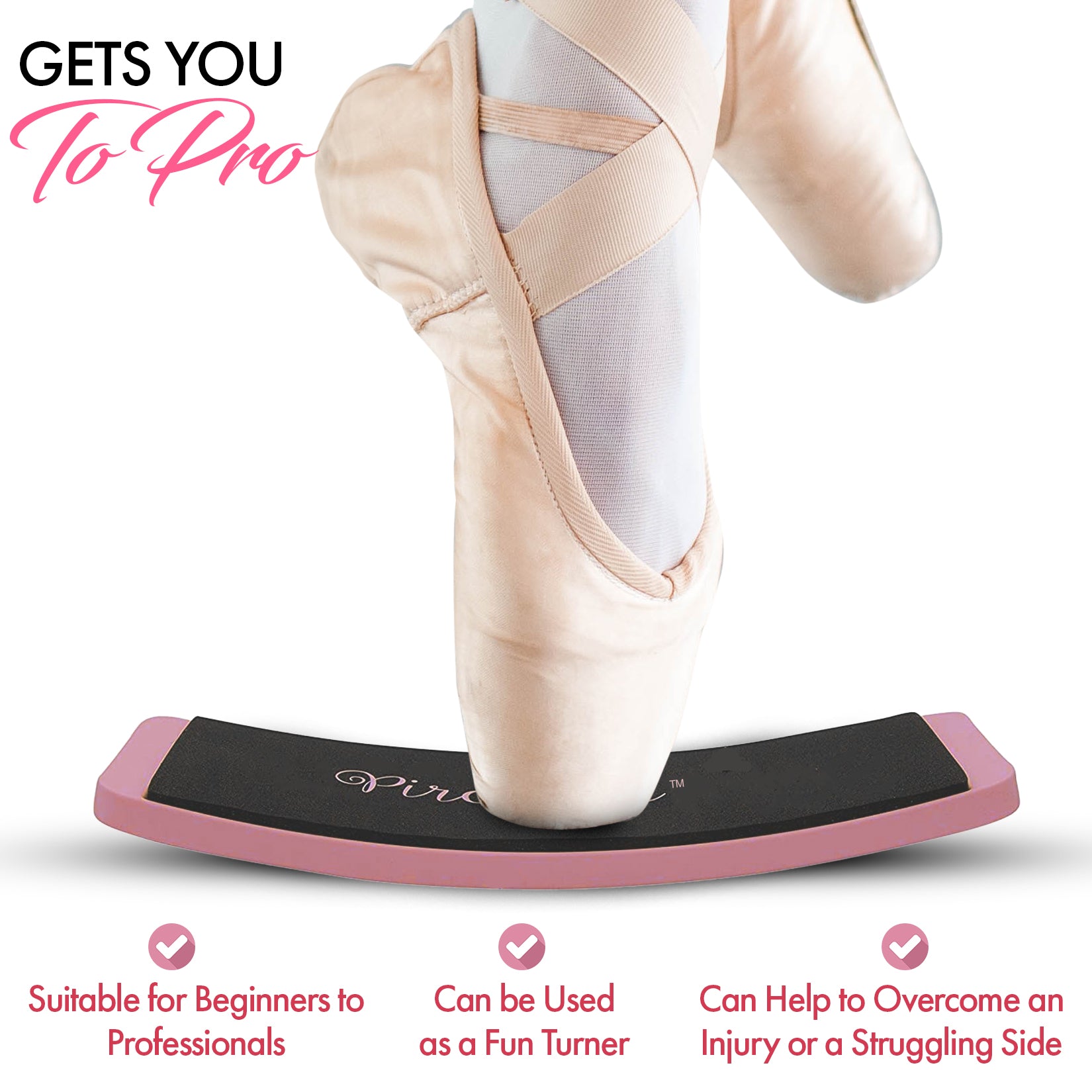
Ballet, jazz, contemporary and lyrical dancers working on turns, plus figure skaters and gymnasts practicing spins. It works for kids and adults. Young dancers should use it with an adult nearby.
How to use it safely
- Pick the right floor. Use it on a smooth, hard floor with clear space around you, like tile, laminate or a studio floor. It can mark hardwood floors, so use it in another room or on a protective mat there. It won't spin on carpet.
- Warm up and start small. Begin with quarter and half turns, then build up to full turns once you feel steady.
- Stop when it's time. Take a break if you feel dizzy or anything hurts. Use it alongside class, not instead of it.
What's in the box
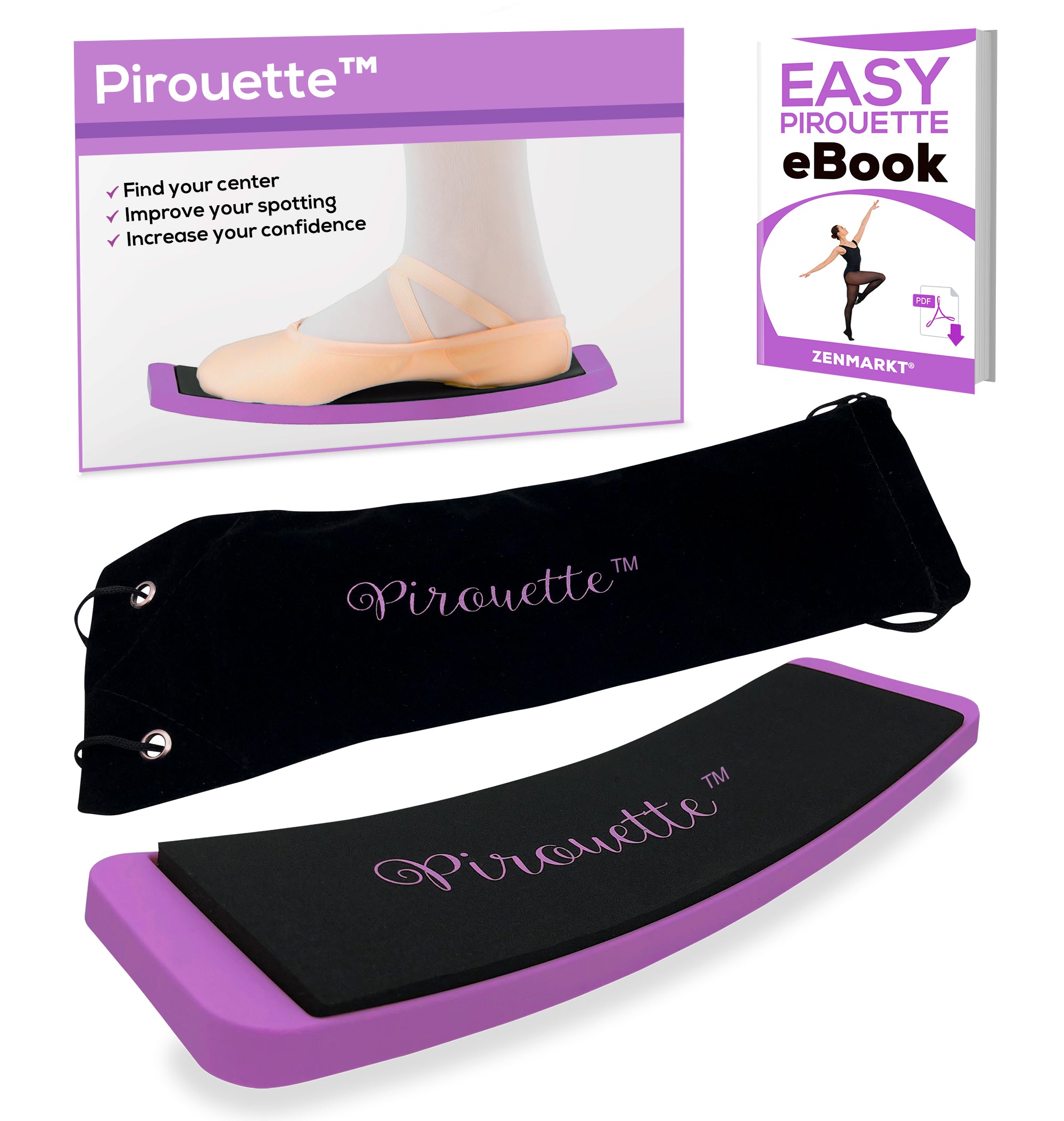
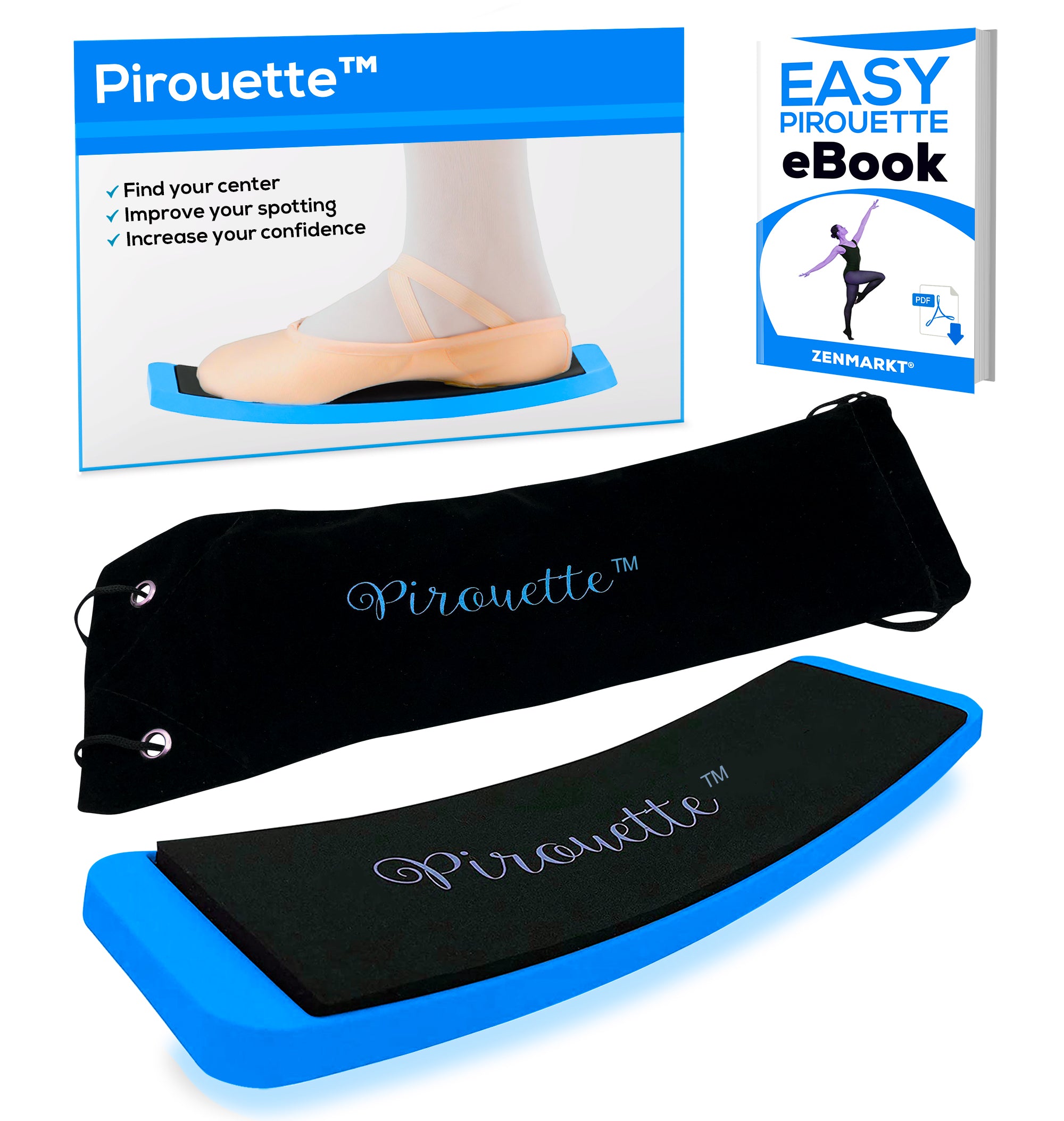
- Pirouette® turning board (pink, purple or blue)
- Velvet carry bag
- Thank-you card with access to the EasyPirouette Guide eBook
A gift she'll actually use
Tucked in its velvet bag, it's ready to give. A favorite for birthdays, Christmas, recitals and Nutcracker season, and a gift that gets used long after the wrapping paper is gone.
Questions parents ask
Do turning boards really help with pirouettes?
A turning board is a practice tool, not a shortcut. It helps a dancer feel balance, spotting and a pulled-up position through a full rotation, and that awareness carries back to class. It works best alongside regular lessons.
What age is it for?
Kids and adults can both use it. Younger dancers should practice with an adult nearby and start with small turns.
What floors does it work on?
Smooth, hard floors such as tile, laminate or a studio floor. It doesn't spin on carpet and can mark hardwood.
Is a turning board the same as a spin board or turn board?
Yes, dancers use all three names. If you'd like something smaller that comes gift-boxed, see the Pirouette® turning disc.
Do I need the carry bag?
The bag protects the board and makes it easy to take to class. If it will stay at home, the board without the bag is the same turning board for less.
Related Items
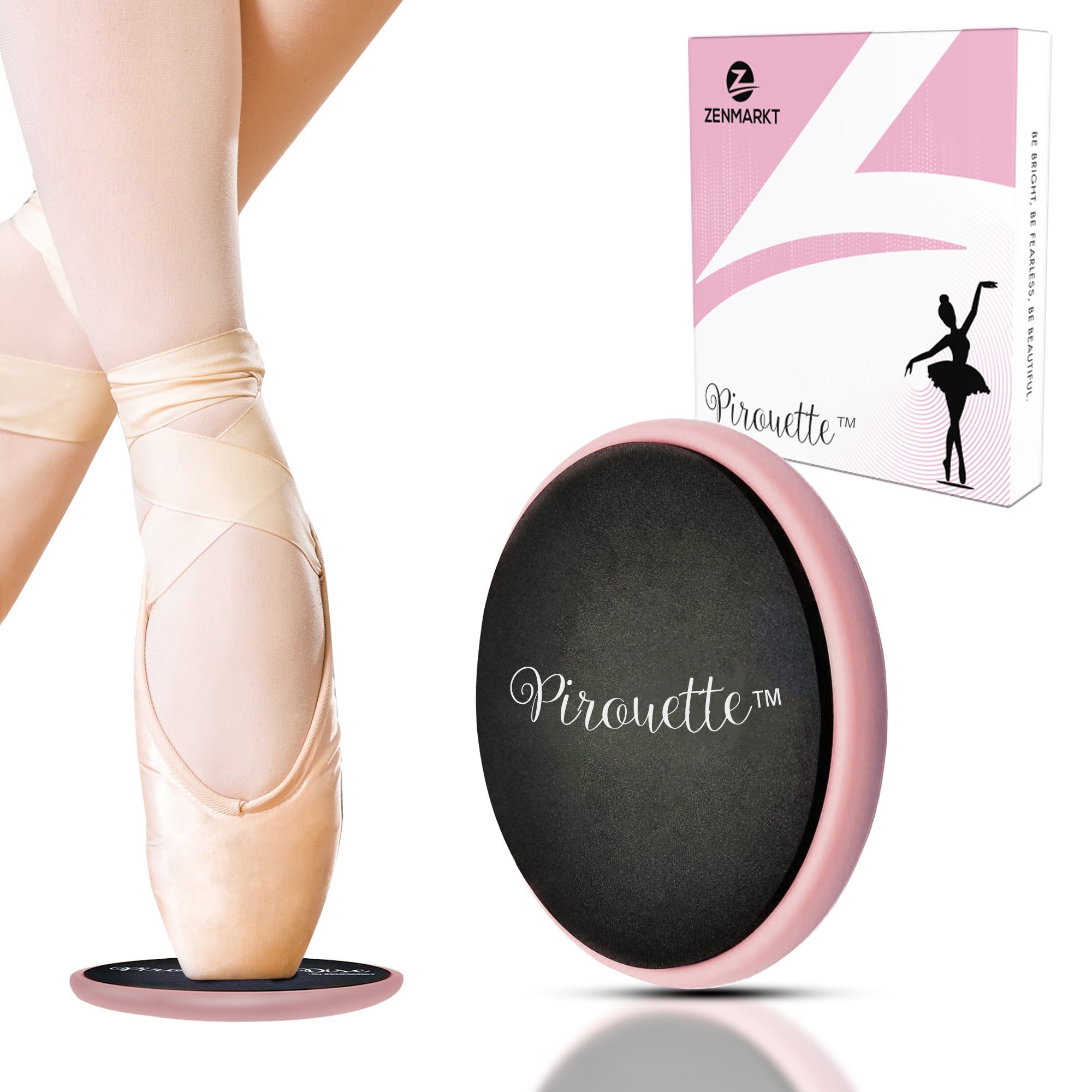
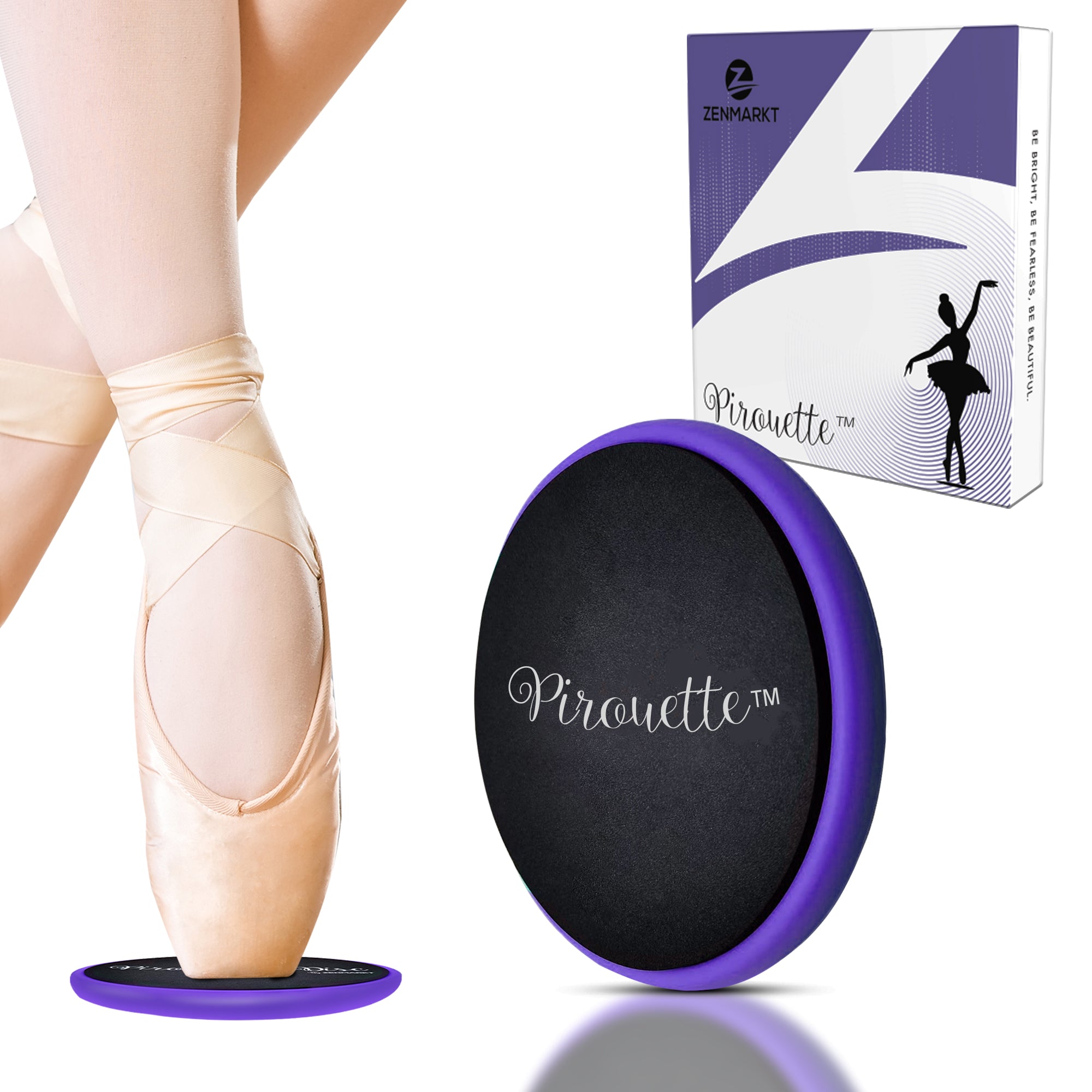
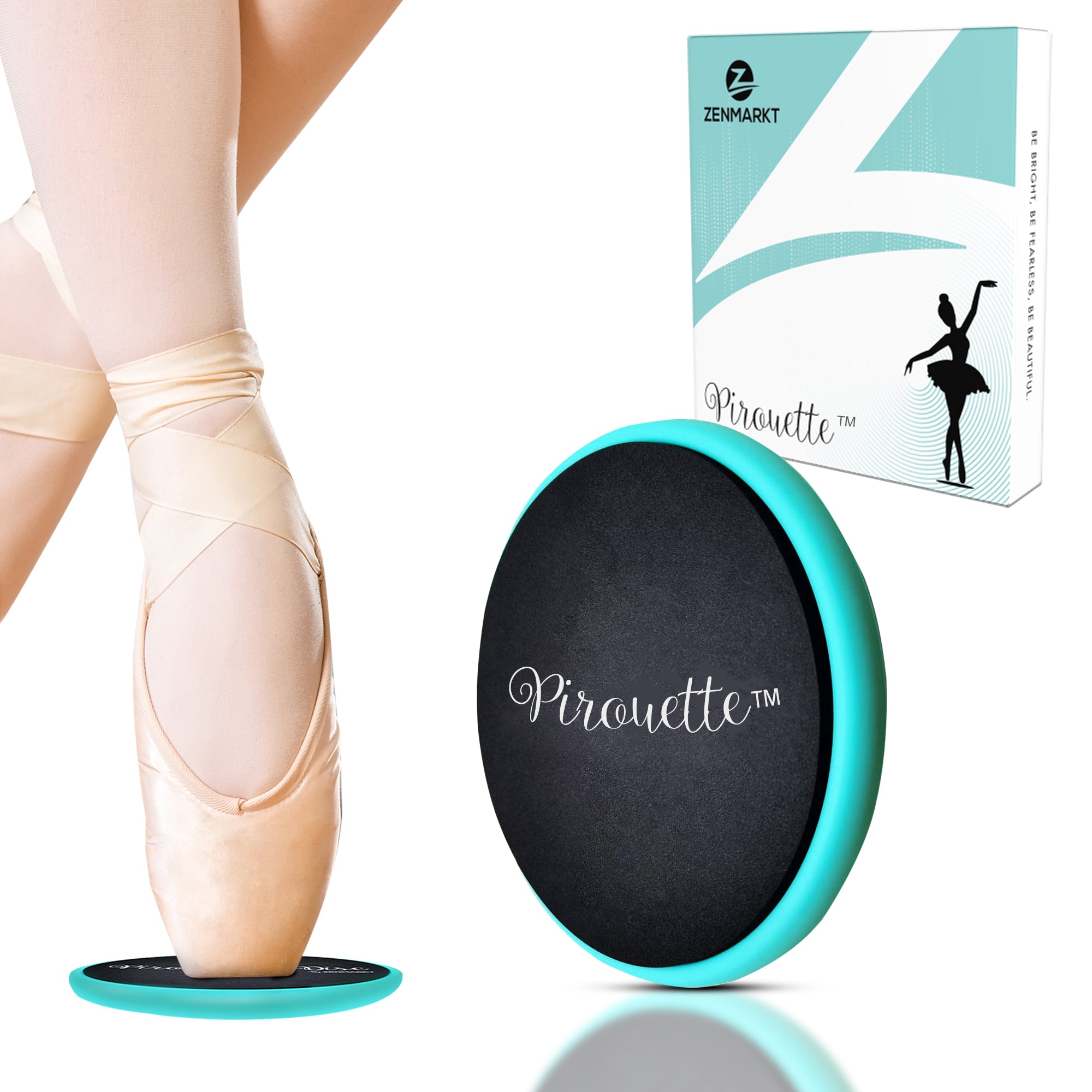
Pirouette® Turning Disc for Dancers (with Box)
$23.95 $34.95
A little spinner that makes big turn practice possible. The Pirouette® turning disc is a small, light spinner that helps dancers practice pirouettes, spotting and balance at home. It comes...
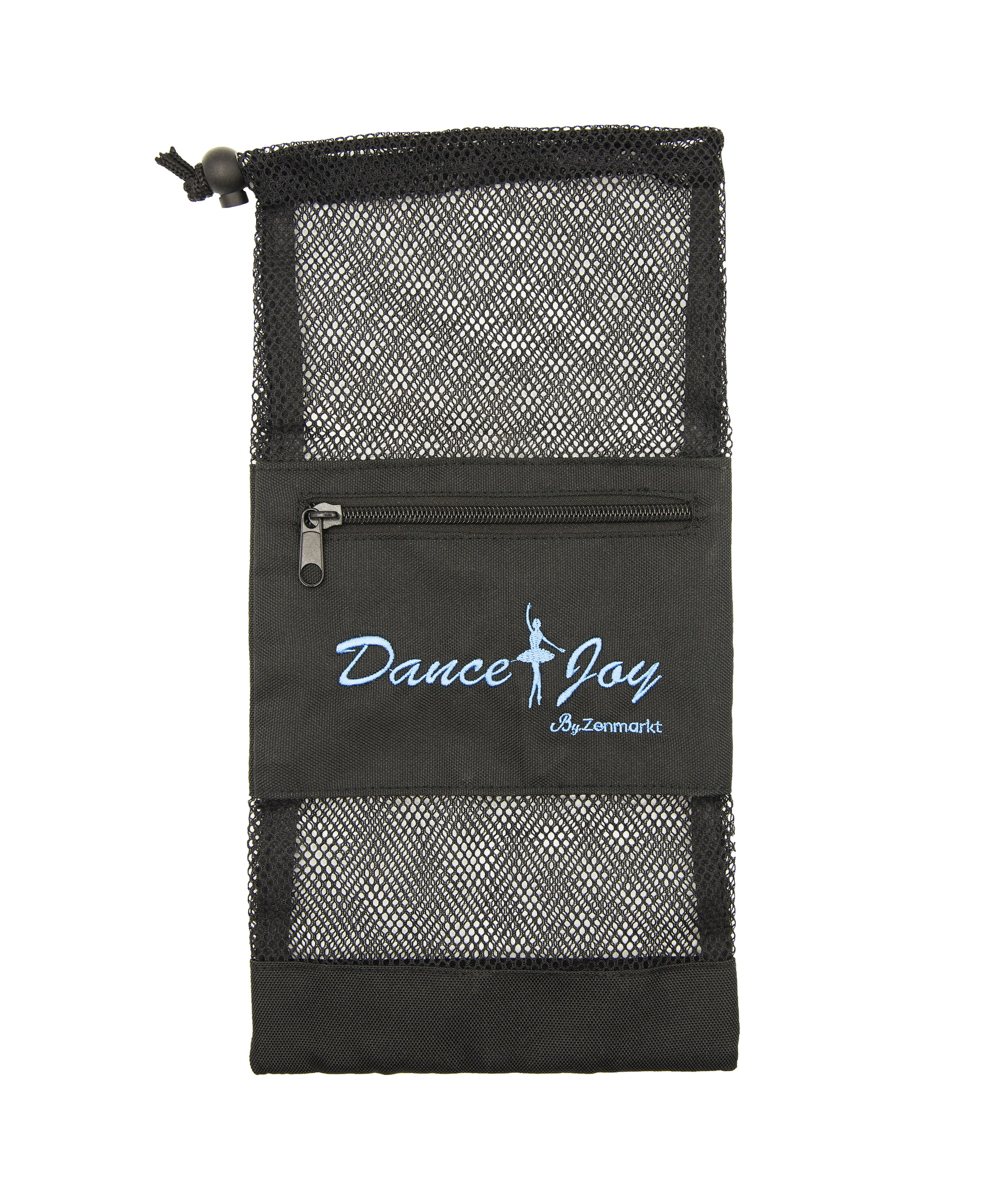
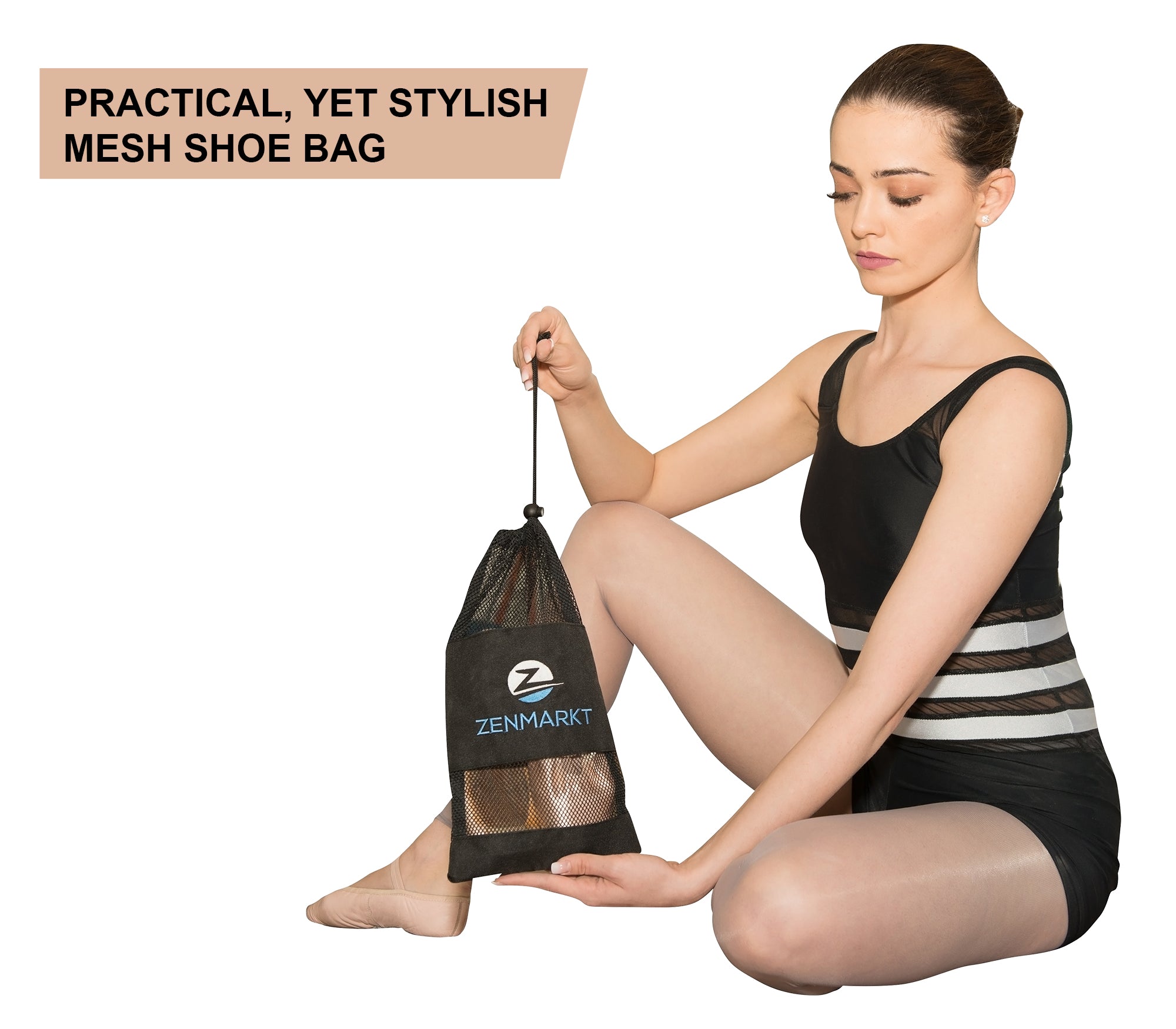
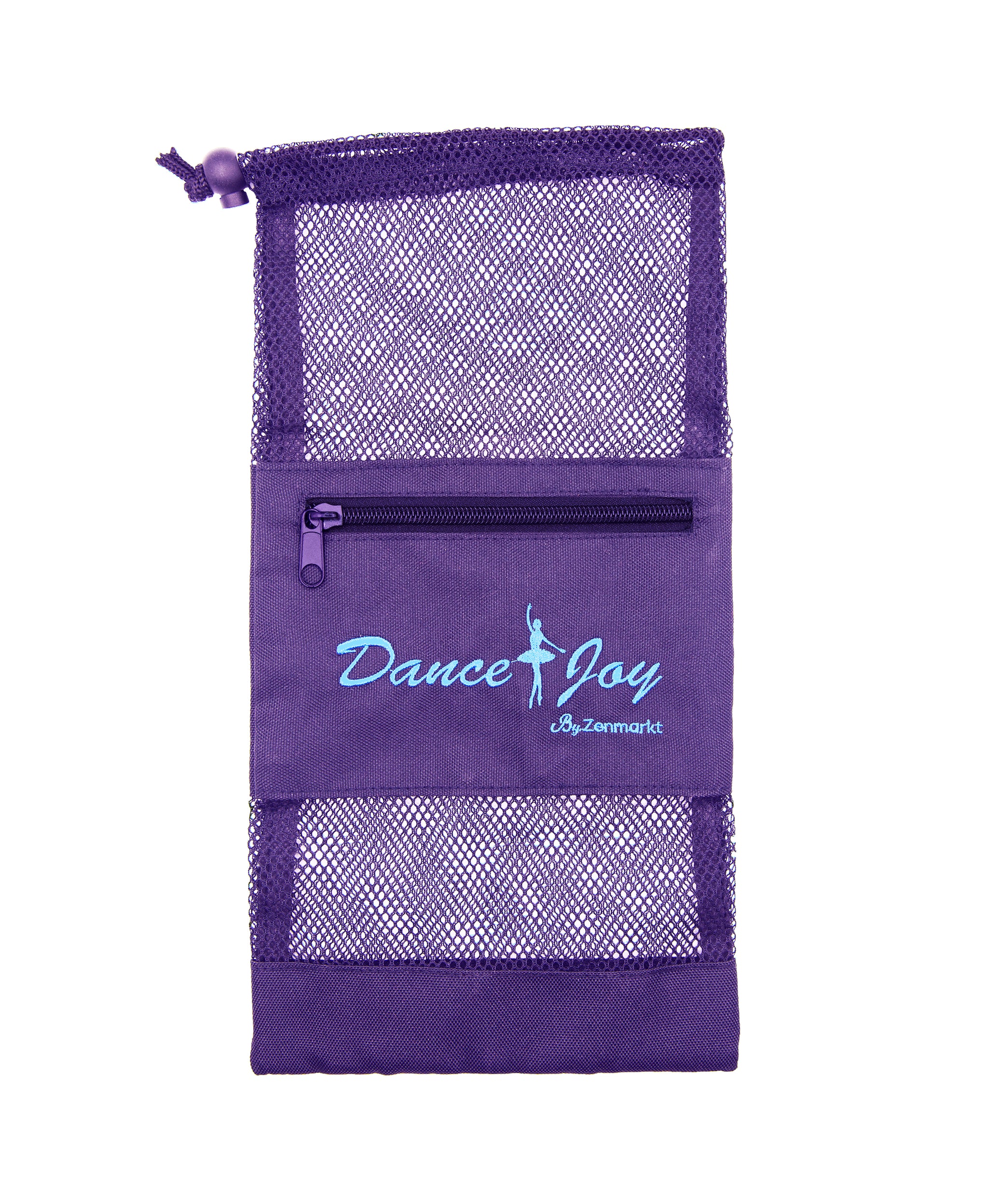
Zenmarkt® Pointe Shoes Bag
$12.95 $21.95
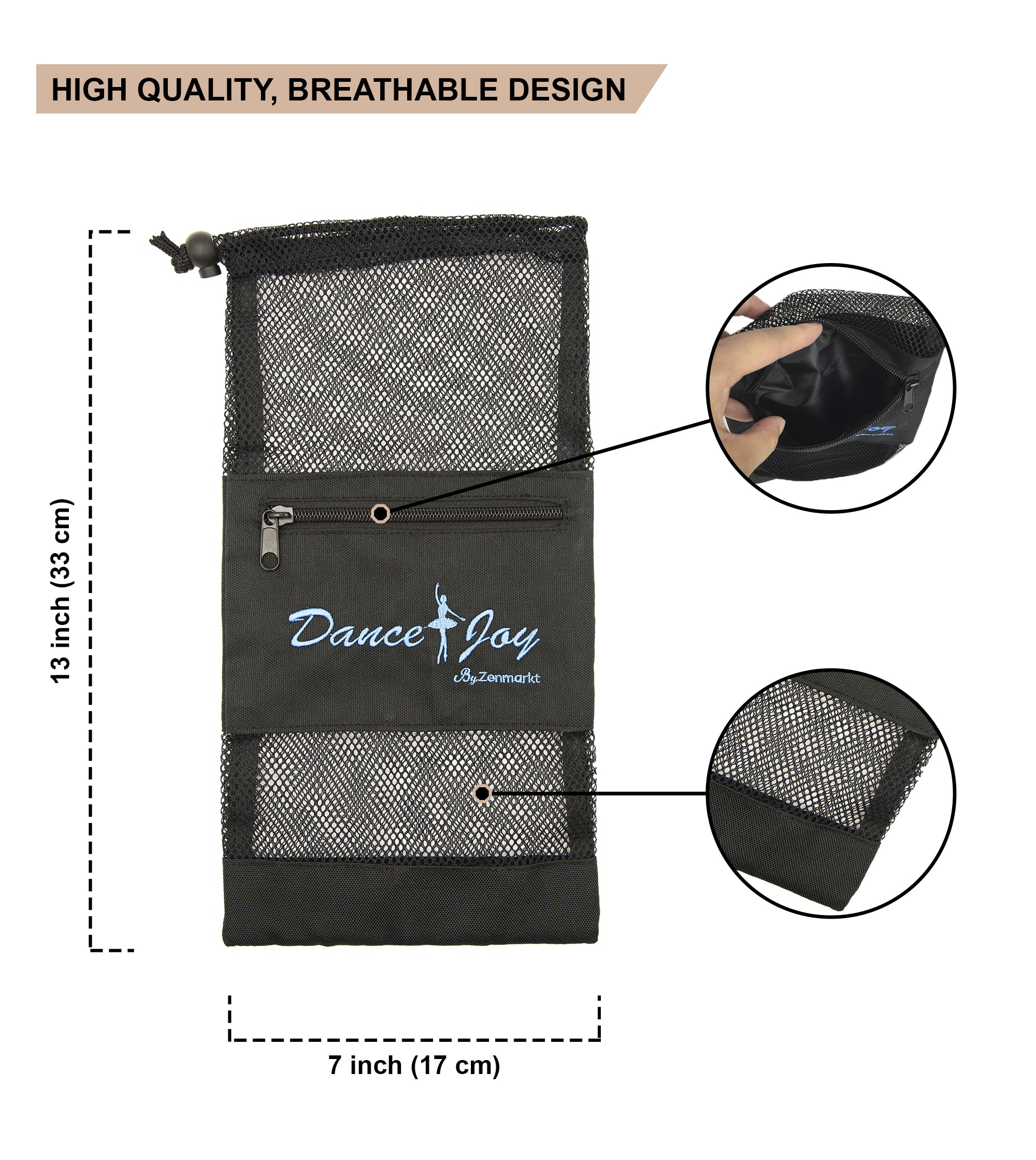
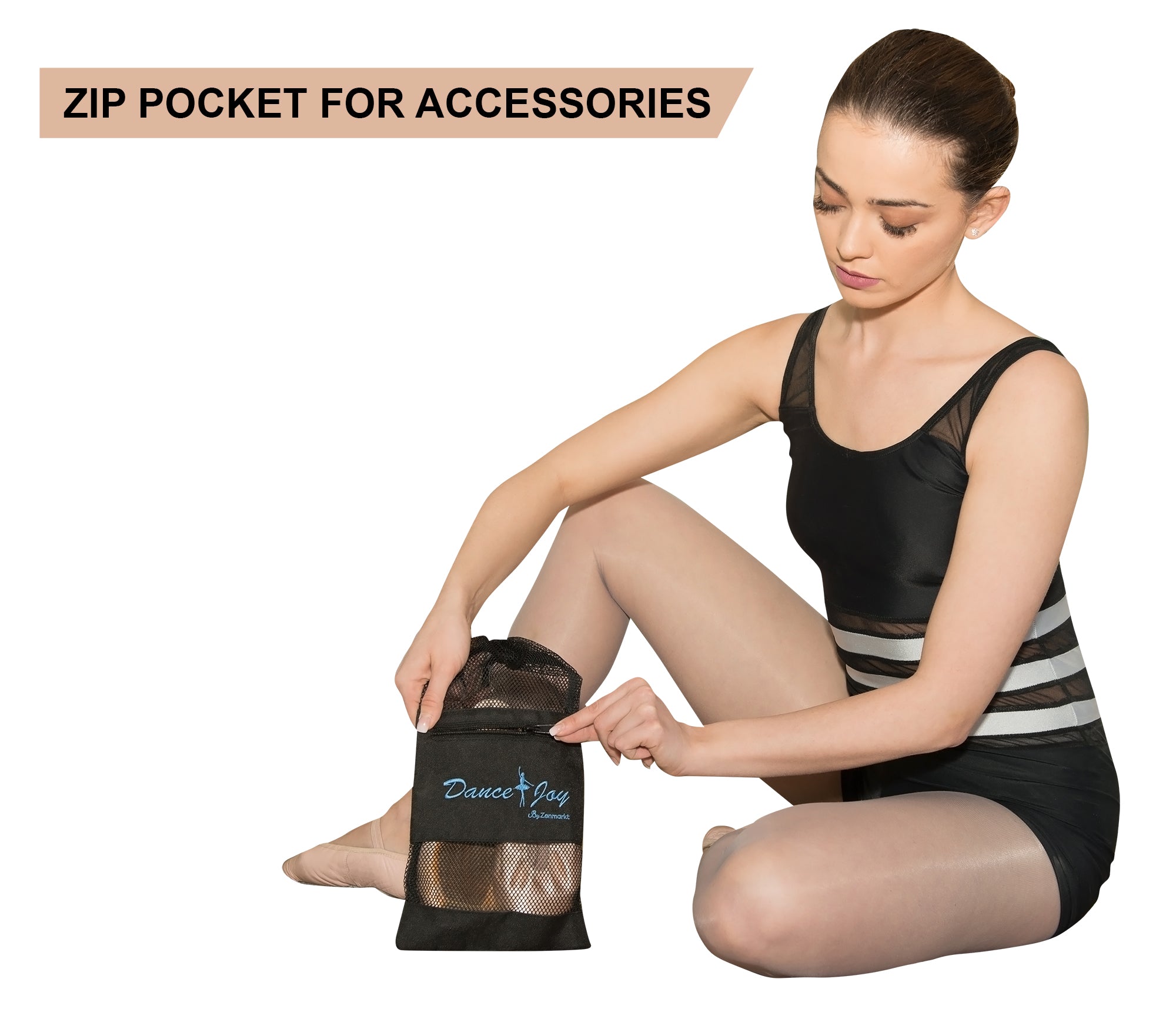
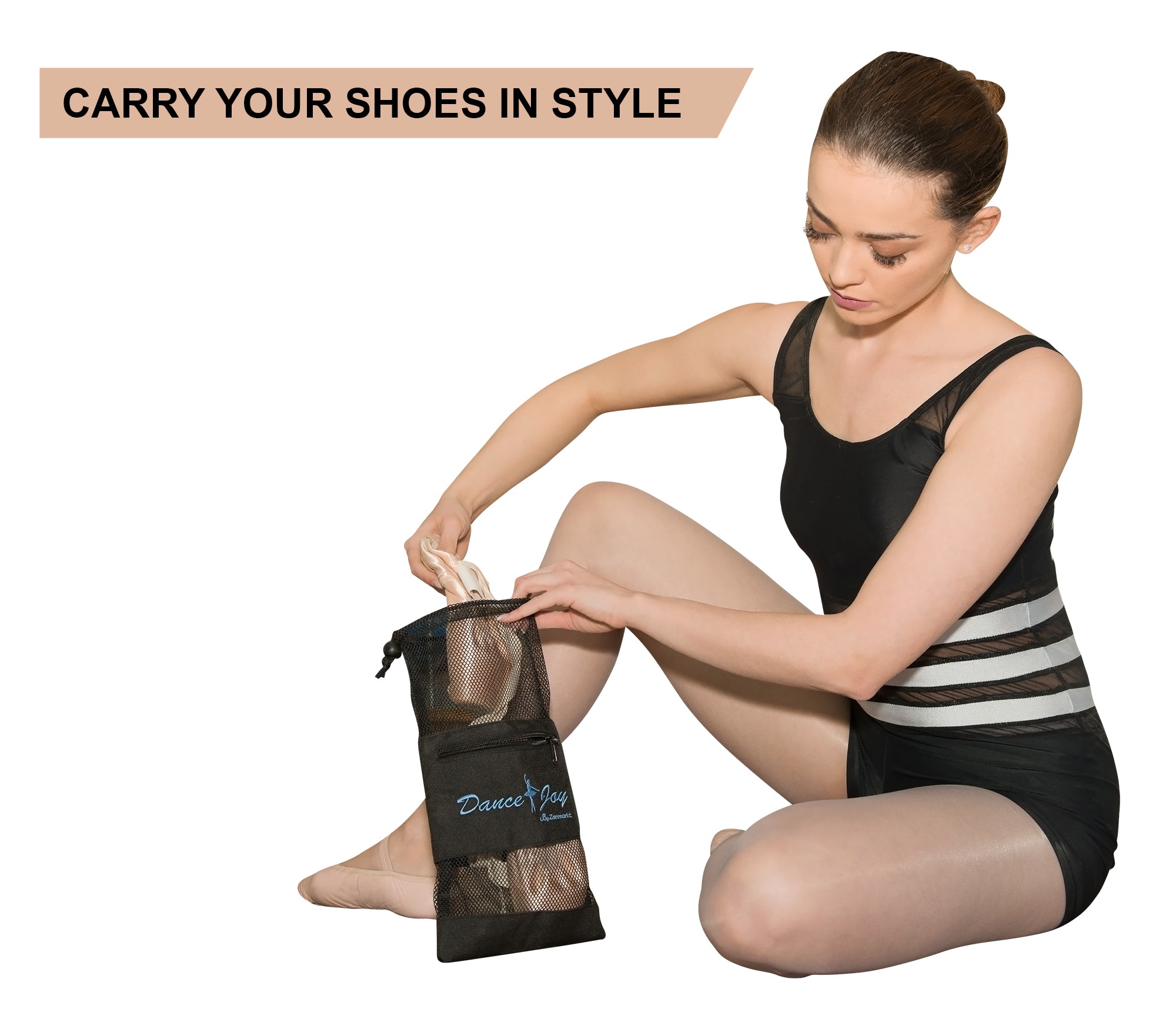
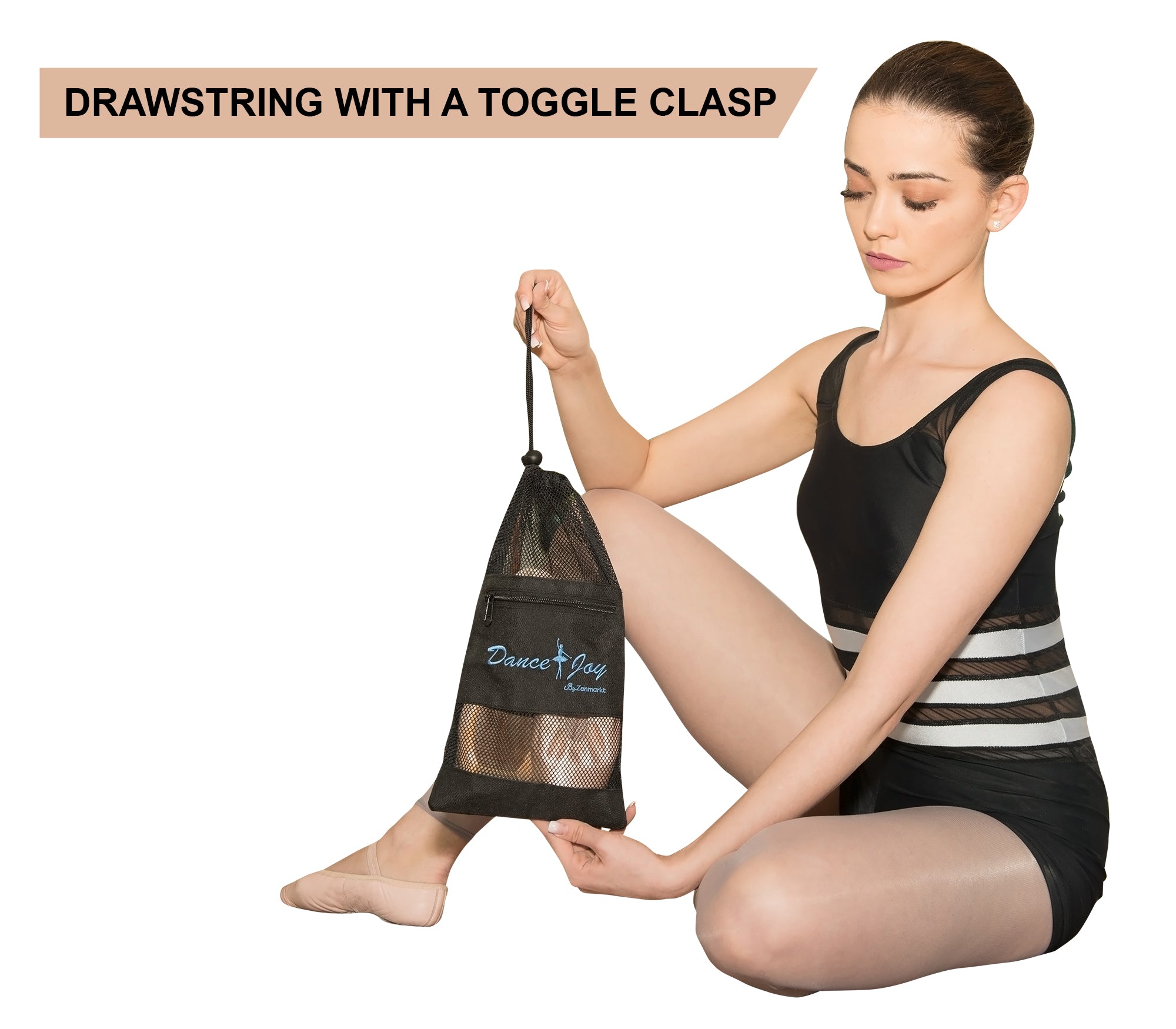
Her pointe shoes, finally organized (and able to breathe). Pointe shoes are expensive, and they last longer when they dry out between classes. The DanceJoy pointe shoes bag from Zenmarkt®...


Pirouette® Professional Rosin Spray for Dancers with Instant Non-Slip Grip - Fast-Drying, No-Residue Formula for Pointe and Dance Shoes - Enhances Grip on Hands, Arms and Legs
$12.99 $15.99
Grip where she needs it, without the rosin box mess. Slipping on a turn or landing is every dancer's worry, especially on stage. Pirouette® rosin spray puts a fine mist...
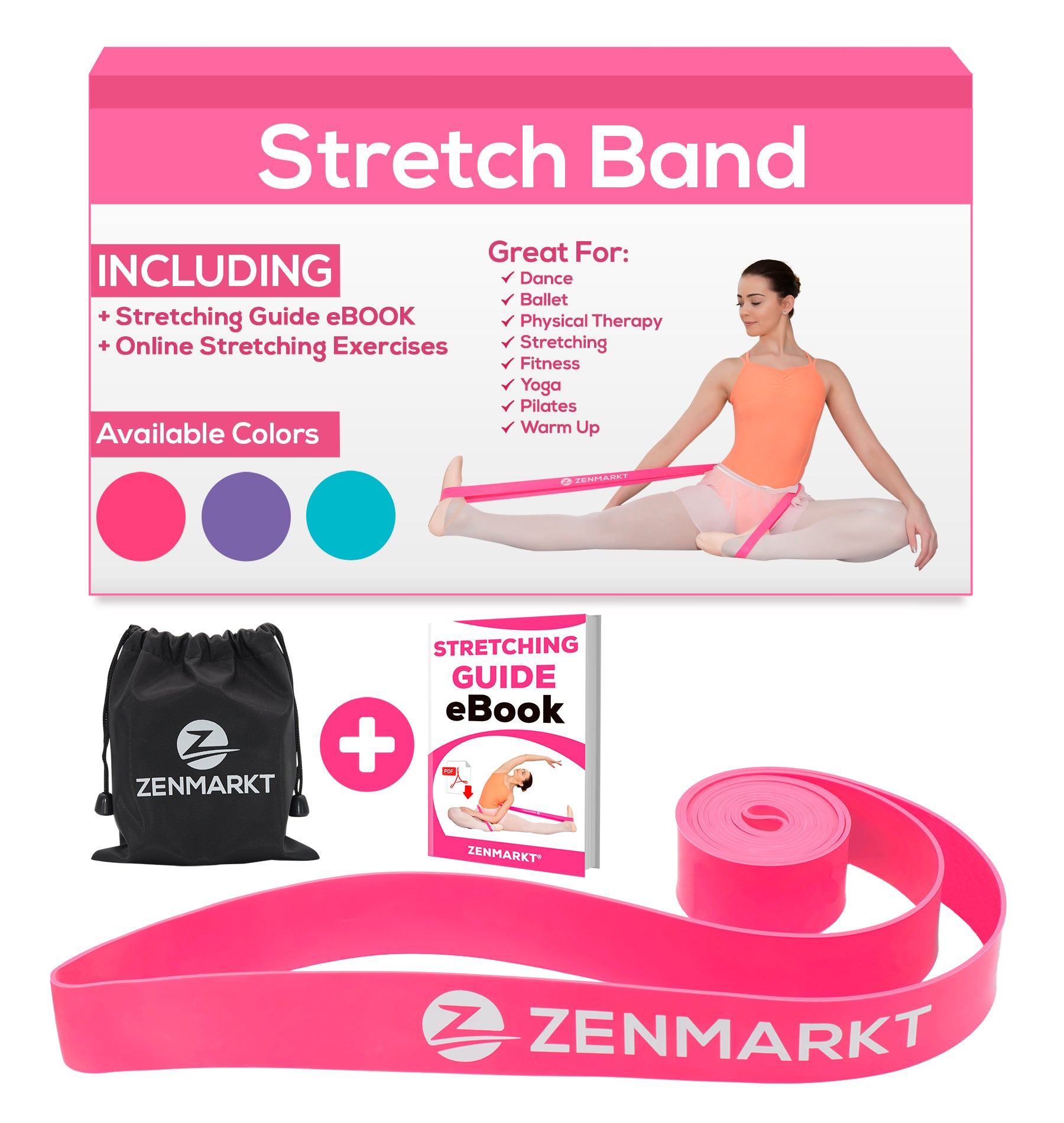
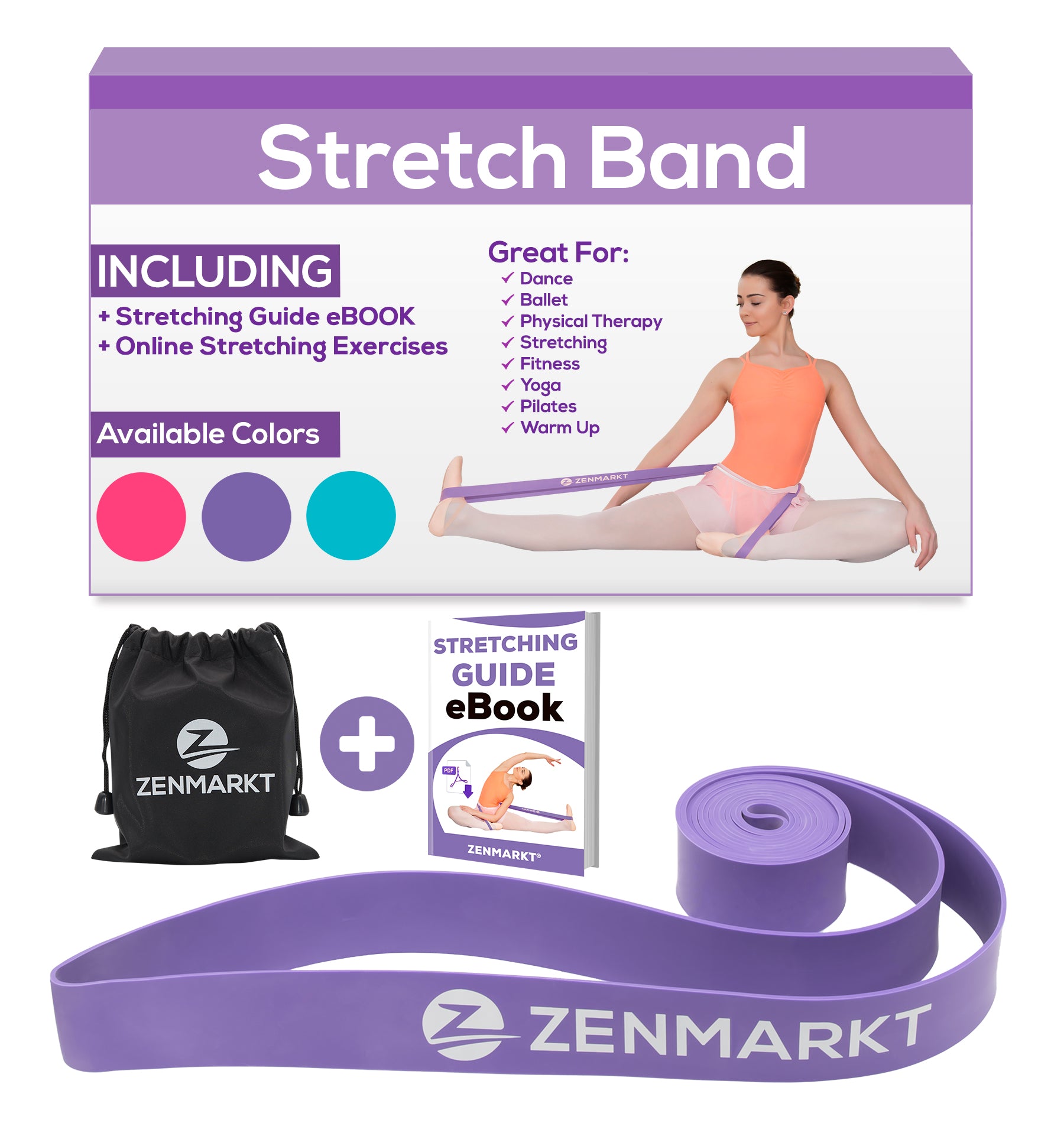
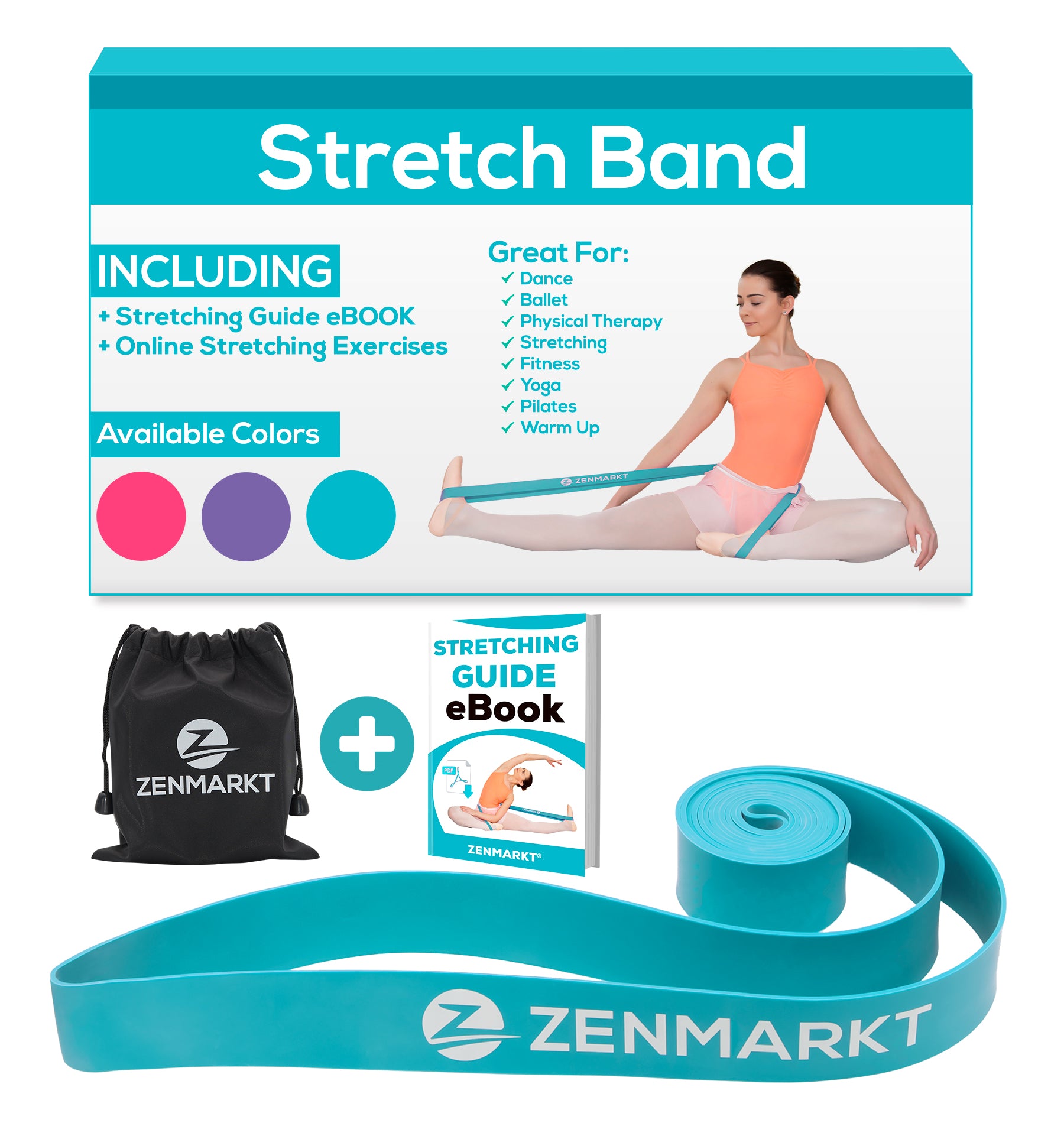
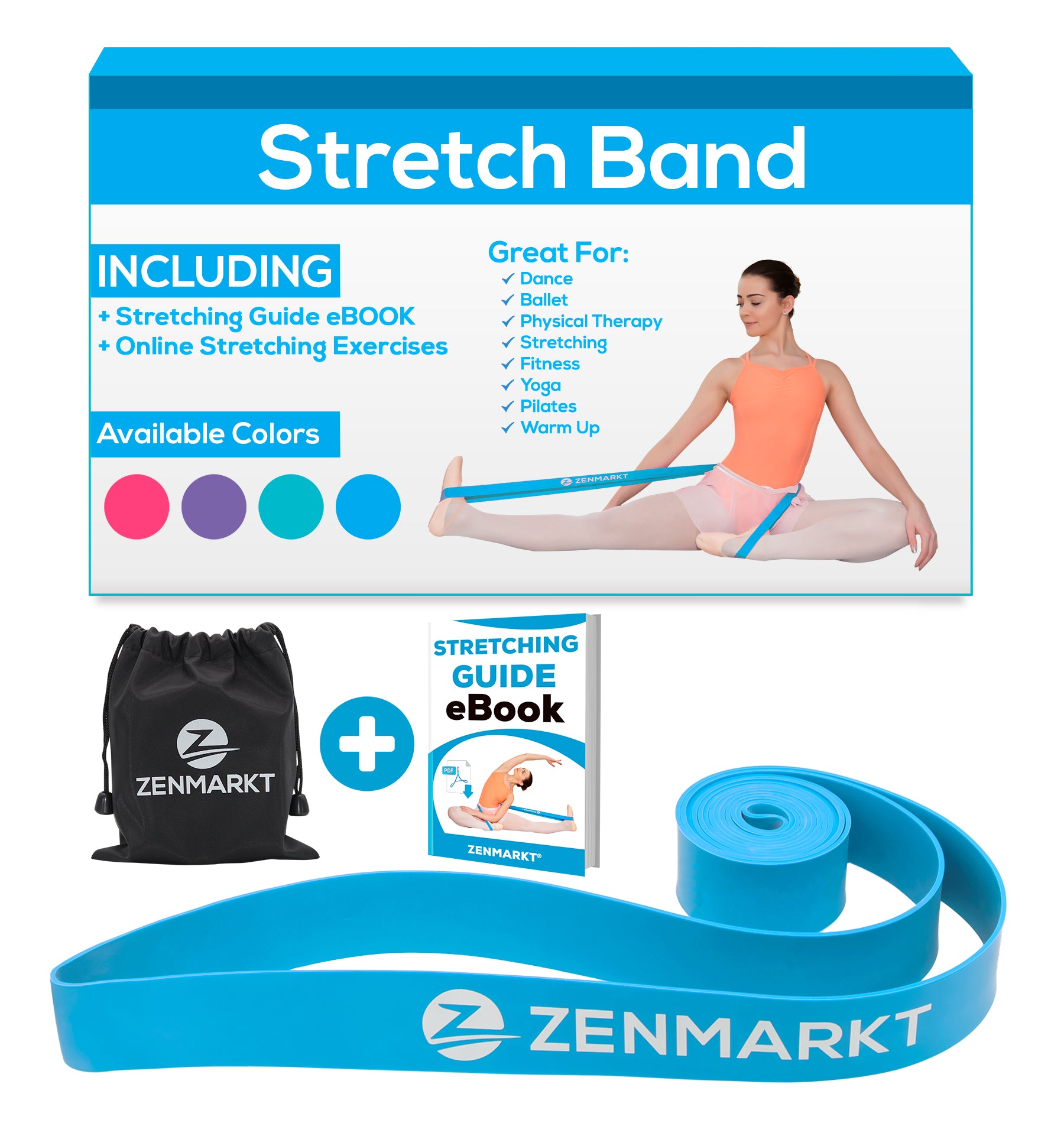


Zenmarkt® Stretch Band for Ballet, Dance, Gymnastics
$21.95 $39.96
Deeper, safer stretches, with a band made for dancers. Splits, arabesques and extensions take steady, daily stretching. The Zenmarkt® ballet stretch band helps a dancer ease into each position and...